Description
Salvia Divinorum Seeds
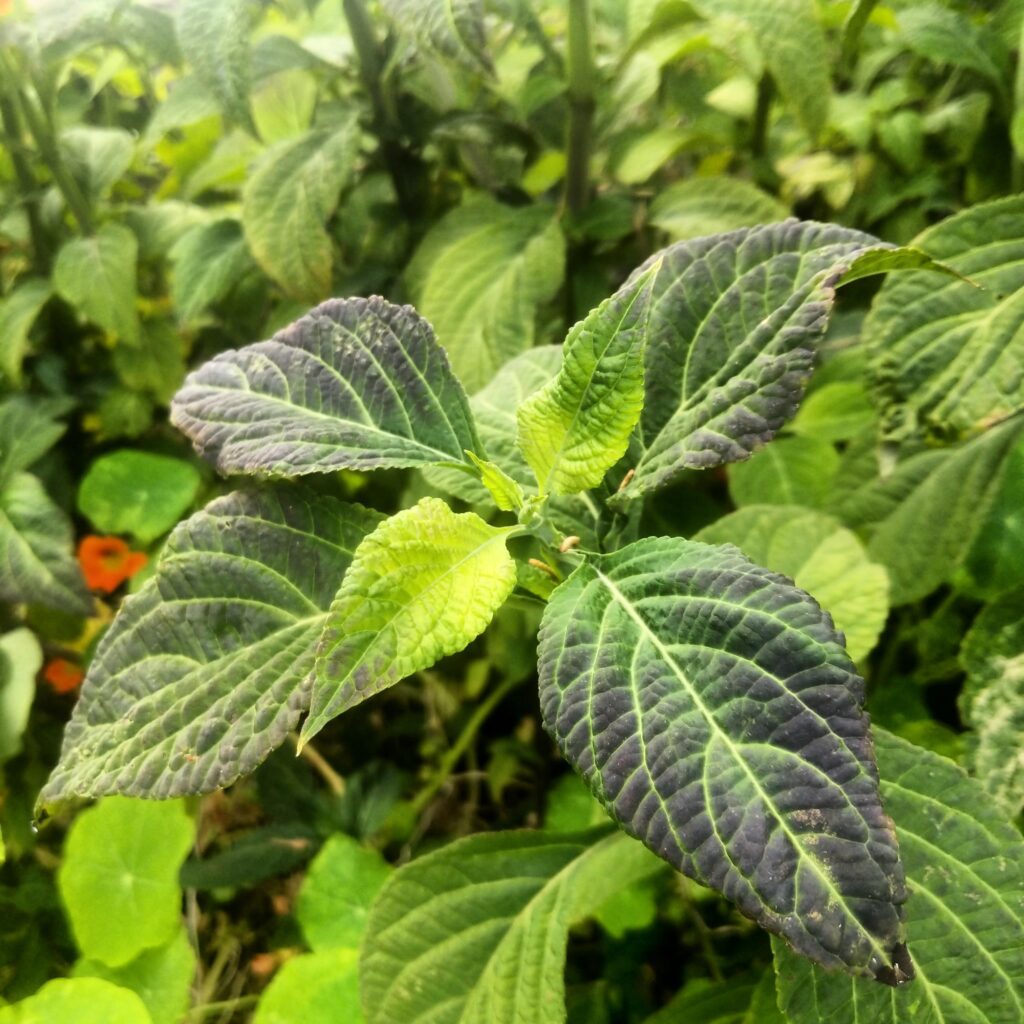
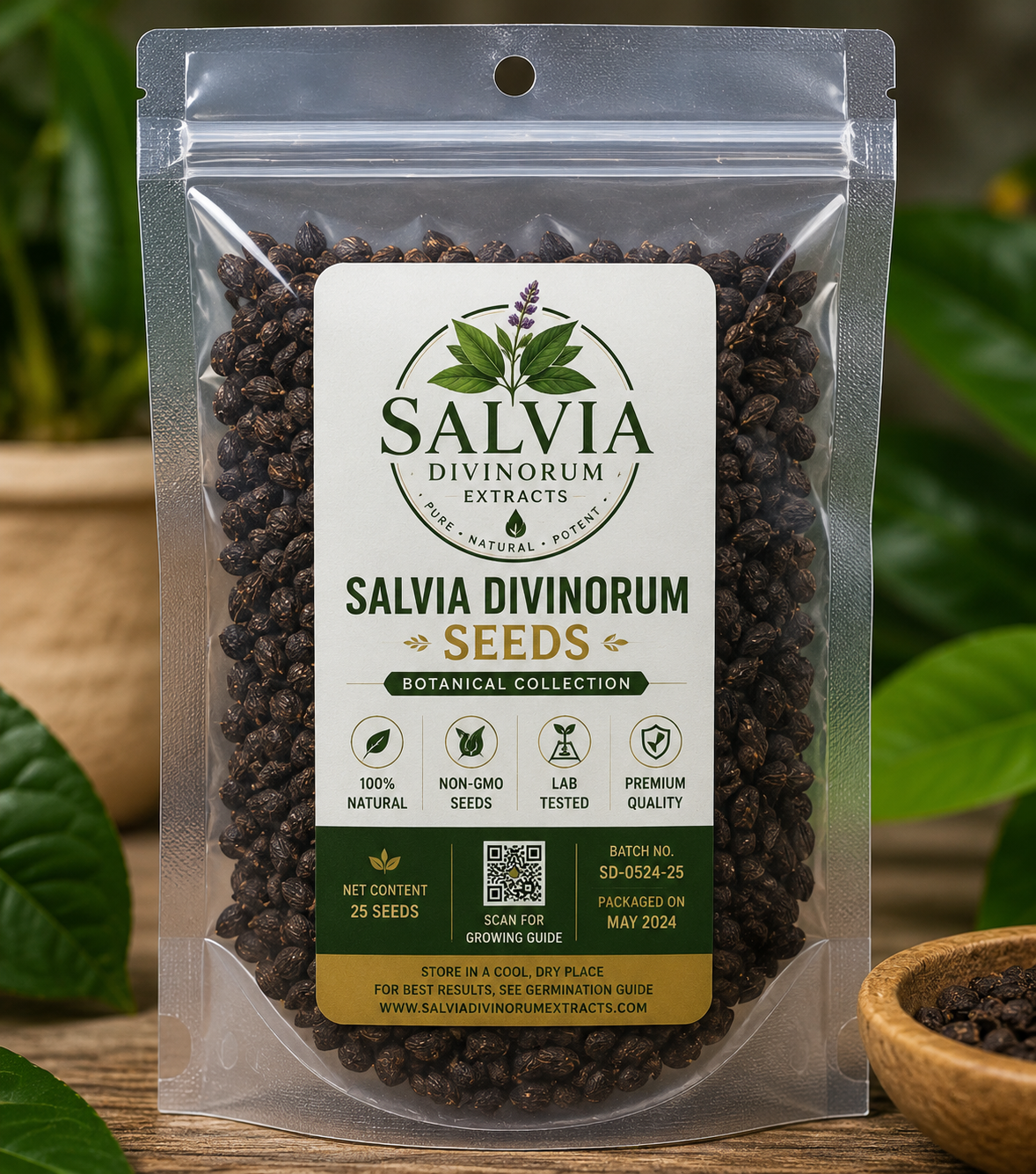
Salvia Divinorum seeds are among the rarest forms in which this fascinating plant can be found. This article aims to provide a comprehensive understanding of what these seeds are, how they differ from other forms such as cuttings and dried leaves, and why context is crucial when researching this unique variant.
What Are Salvia Divinorum Seeds?
Salvia Divinorum seeds originate from mature plants that have successfully flowered under carefully controlled conditions. The flowering of the Salvia plant is a rare occurrence, which results in limited and inconsistent seed production. This scarcity makes these seeds quite different from the more commonly available cloned plant materials.
Unlike Salvia Divinorum cuttings, which are taken from existing plants and replicate the genetic makeup of the parent, Salvia Divinorum seed introduce a natural genetic variation. This means that plants grown from seeds will not be exact replicas of their parent plant. This difference is significant for various reasons, including botanical research, discussions about genetic diversity, and studies on plant lineage.
The Importance of Salvia Divinorum Seeds
Salvia plants hold great importance because they represent a form of reproduction rather than mere replication. While many plants are propagated through cuttings, seeds reflect the complete biological cycle of the plant. This aspect provides valuable insights into genetic variation, adaptation, and long-term preservation of the species.
Seeds allow researchers and enthusiasts to gain a deeper understanding of how Salvia divine behaves in a natural setting, beyond the constraints of cloning. Consequently, seeds are often referenced in discussions about plant diversity, as they offer a broader perspective on the species’ genetic landscape.
Buying Salvia Divinorum Seeds: Understanding the Context
When individuals search for Salvia Divinorum seeds for sale, they are often looking for clarity rather than just availability. Since seeds are less frequently found than cuttings, there can be a lot of confusion in online resources regarding their availability.
Understanding the context of Salvia Divinorum seed production is essential. Seeds are only produced when the conditions for flowering, pollination, and maturation are met successfully. Because of this, seeds are typically available in limited quantities and at irregular intervals. Being aware of this reality can help prevent unrealistic expectations when searching for these seeds.
What Does “Buy Salvia Divinorum Seeds” Mean?
When people search for “buy Salvia seeds,” they are usually curious about the differences between seed and cuttings. Many are interested in understanding the biological distinctions rather than simply wanting to replicate an identical plant.
Since Salvia plant seeds introduce genetic variation, they are more suited for educational and botanical discussions than for uniform cultivation. Therefore, this article aims to provide a clear explanation of these differences rather than making assumptions.
Key Features and Insights
| Topic | High-Value Insight |
|---|---|
| Seed Origin | Produced only when mature plants flower successfully |
| Rarity | Appears infrequently due to limited flowering cycles |
| Genetic Role | Introduces variation instead of cloning |
| Botanical Value | Supports plant diversity and lineage study |
| Comparison | Differs fundamentally from cuttings and dried leaves |
| Preservation | Encourages cultivated sourcing over wild impact |
Product Identification
| Attribute | Details |
|---|---|
| Botanical Name | Salvia divinorum |
| Product Type | Botanical seed material |
| Form | Viable seed (when available) |
| Production Method | Natural flowering and pollination |
| Genetic Role | Introduces variation rather than replication |
| Packaging | Protective sealed pouch |
| Storage Recommendation | Store in a cool, dry environment |
| Intended Use | Botanical reference and research purposes only |
How Seeds Differ from Other Forms of Salvia
Many sources tend to blur the lines between different forms of Salvia divinorum. However, understanding these differences can significantly enhance clarity for those interested in the plant.
- Salvia Divinorum Seeds: Introduce genetic diversity and reflect the plant’s natural reproductive process.
- Cuttings: Replicate a single parent plant exactly, resulting in clones that lack genetic variation.
- Dried Salvia Divinorum Leaves: Preserve mature foliage without the potential for growth or genetic diversity.
Thus, seeds occupy a unique position within the lifecycle of the Salvia plant.
Common Misunderstandings
Several misconceptions frequently arise regarding Salvia Divinorum:
- Seeds Are Like Cuttings: Many people mistakenly assume that seeds behave similarly to cuttings, failing to recognize the genetic variation that seeds introduce.
- Availability is Overstated: Online sources often exaggerate the availability of seeds, leading to confusion and disappointment.
- Genetic Variation is Unexplained: The significance of genetic variation in seeds is often overlooked or not clearly explained.
By addressing these misunderstandings directly, this article aims to replace speculation with accurate information.
Related Terms You May Encounter
When researching Salvia Divinorum plant , you may come across various terms that describe the same concept:
- Salvia Divinorum Seeds for Sale
- Buy Salvia Divinorum Seeds
- Salvia Divinorum Seed Material
Understanding these terms can help readers navigate the inconsistent language often found in online discussions about Salvia divinorum.
Frequently Asked Questions
What are Salvia Divinorum Seeds?
Salvia are viable seeds produced when mature Salvia plants flower successfully.
How do seeds differ from cuttings?
Seeds introduce genetic variation, while cuttings produce identical plants that replicate the parent’s genetic makeup.
Why are Salvia divinorum seeds uncommon?
The plant flowers infrequently, which limits the overall production of seeds.
Do seeds represent the full plant lifecycle?
Yes, seeds reflect natural reproduction rather than mere replication.
Why do people research Salvia Divinorum seeds for sale?
Most individuals seek clarity about the availability of seeds and the biological differences between seeds and cuttings.
Are Salvia Divinorum seeds intended for consumption?
No, these seeds are sold strictly for botanical reference and research purposes.
Why This Article Exists
Many competitor pages rely on assumptions or exaggerations when discussing Salvia Divinorum plant seeds. In contrast, this article aims to explain Salvia seeds with clarity, restraint, and accuracy. By focusing on the biological aspects, context, and terminology, it delivers long-term value instead of superficial answers. This approach ensures that readers gain a deeper understanding of Salvia divinorum and its significance in the broader context of botanical research and plant diversity.
In conclusion, Salvia Divinorum seeds are a unique and valuable aspect of this plant species. They provide insights into genetic diversity, reproduction, and the ecological role of the plant. Understanding their importance can help enthusiasts, researchers, and collectors appreciate the complexities of Salvia divinorum and contribute to its preservation and study.
Reviews
There are no reviews yet.