Salvia divinorum, commonly known as salvia, is a powerful psychoactive plant that has garnered attention for its unique effects and cultural significance. Traditionally used by the Mazatec people of Mexico for spiritual and healing purposes, salvia has found its way into modern contexts, particularly in the realm of recreational use. This blog post delves into the intricacies of smoke salvia divinorum, its effects, potential risks, and the cultural background that shapes its use.
What is Salvia Divinorum?
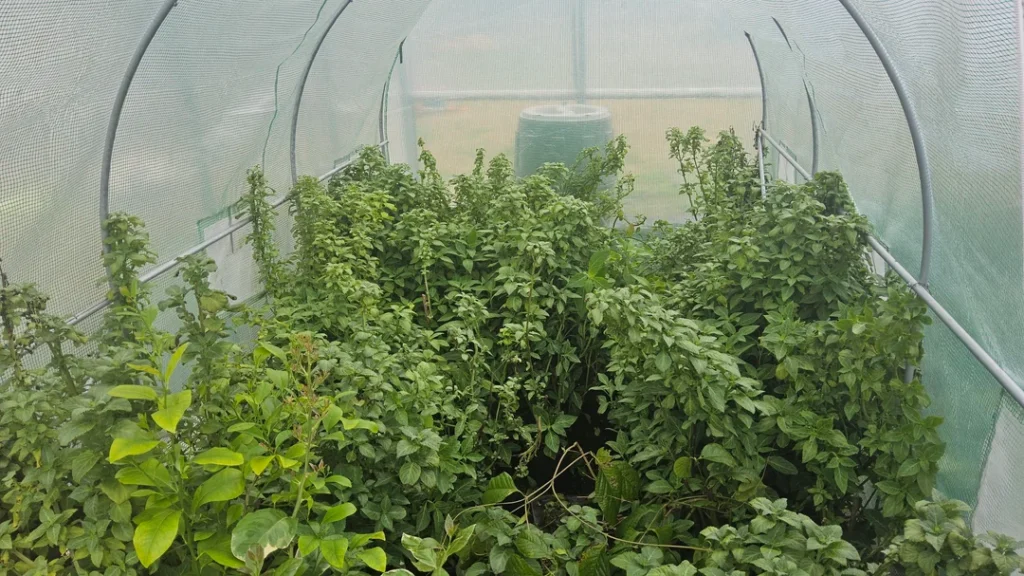
Salvia divinorum is a member of the mint family (Lamiaceae) and is native to the cloud forests of Oaxaca, Mexico. Known for its distinctive, broad leaves and square stems, salvia can grow up to three feet tall. The plant contains a potent psychoactive compound called salvinorin A, which is responsible for its hallucinogenic effects. Unlike many other psychoactive substances, salvinorin A acts on the kappa-opioid receptors in the brain, leading to a unique and often intense experience.
Historical Context
The Mazatec people have used Smoke Salvia Divinorum for centuries, primarily in religious and healing ceremonies. It is traditionally consumed in various forms, including as a tea or chewed fresh leaves. The plant is revered for its ability to facilitate communication with the divine and provide insights into the spiritual realm. In recent years, salvia has gained popularity outside of its traditional context, leading to both curiosity and controversy.
The Experience of Smoking Salvia Divinorum
How to Smoke Salvia
Smoking salvia divinorum is one of the most common methods of consumption, allowing users to experience its effects quickly. The leaves can be dried and smoked in a pipe or bong, and some users prefer to use a torch lighter to ensure the herb reaches the necessary temperature for vaporization. It’s important to note that the potency of salvia can vary, so starting with a lower dose is advisable for those new to the experience.
Effects of Smoking Salvia
The effects of smoke salvia divinorum can be intense and unpredictable. Users often report a range of experiences, including:
- Visual Distortions: Many users experience vivid visual hallucinations, such as shifting patterns, colors, and shapes.
- Altered Perception of Time: Time may feel distorted, with moments stretching or compressing dramatically.
- Ego Dissolution: A common experience is the feeling of losing one’s sense of self, leading to profound insights or confusion.
- Emotional Responses: Users may experience a wide range of emotions, from euphoria to anxiety.
The duration of effects typically lasts between 15 to 30 minutes, although the experience can feel much longer due to the altered perception of time.
Safety and Risks
While salvia divinorum is generally considered to have a low potential for addiction and physical harm, there are several risks associated with its use:
- Psychological Effects: The intense experiences can lead to confusion, anxiety, or panic attacks, particularly for inexperienced users.
- Legal Status: The legality of salvia varies by region, and users should be aware of local laws before attempting to purchase or use the herb.
- Physical Safety: Due to the disorienting effects, it is crucial to use salvia in a safe environment, ideally with a sober sitter present to assist if needed.
Cultural Significance of Salvia Divinorum
Traditional Uses
Salvia divinorum holds a sacred place in Mazatec culture, where it is used in rituals for healing and divination. Shamans utilize the plant to connect with spirits and gain insight into the physical and spiritual ailments of individuals. The traditional use of salvia emphasizes respect for the plant and its powerful effects, contrasting sharply with its recreational use in contemporary society.
Modern Usage
In recent years, salvia has gained popularity among those seeking new psychoactive experiences. However, the shift from sacred to recreational use raises ethical questions about cultural appropriation and the commodification of traditional practices. It is essential for users to approach salvia with respect and awareness of its cultural background.
The Science Behind Salvia Divinorum
Chemical Composition
The primary active compound in salvia divinorum is salvinorin A, which is unique among hallucinogens due to its mechanism of action. Unlike classic psychedelics such as LSD or psilocybin, which primarily affect serotonin receptors, salvinorin A interacts with kappa-opioid receptors. This interaction leads to the distinct effects associated with salvia, including its rapid onset and short duration.
Research and Studies
Research on salvia divinorum is limited, but some studies have begun to explore its potential therapeutic applications. Preliminary findings suggest that salvinorin A may have anti-inflammatory and analgesic properties, although more research is needed to fully understand its effects and potential benefits.
Conclusion
Salvia divinorum is a fascinating and complex plant that offers a unique window into the intersection of culture, spirituality, and psychoactive exploration. While smoking salvia can lead to profound experiences, it is essential for users to approach it with caution and respect. Understanding the cultural significance and potential risks associated with salvia divinorum can enhance the experience and promote a more responsible approach to its use.
Final Thoughts
As interest in salvia divinorum continues to grow, it is crucial to foster open discussions about its effects, uses, and cultural implications. Whether approached as a tool for spiritual exploration or a recreational substance, salvia offers a rich tapestry of experiences that merit thoughtful consideration.
Leave a Reply