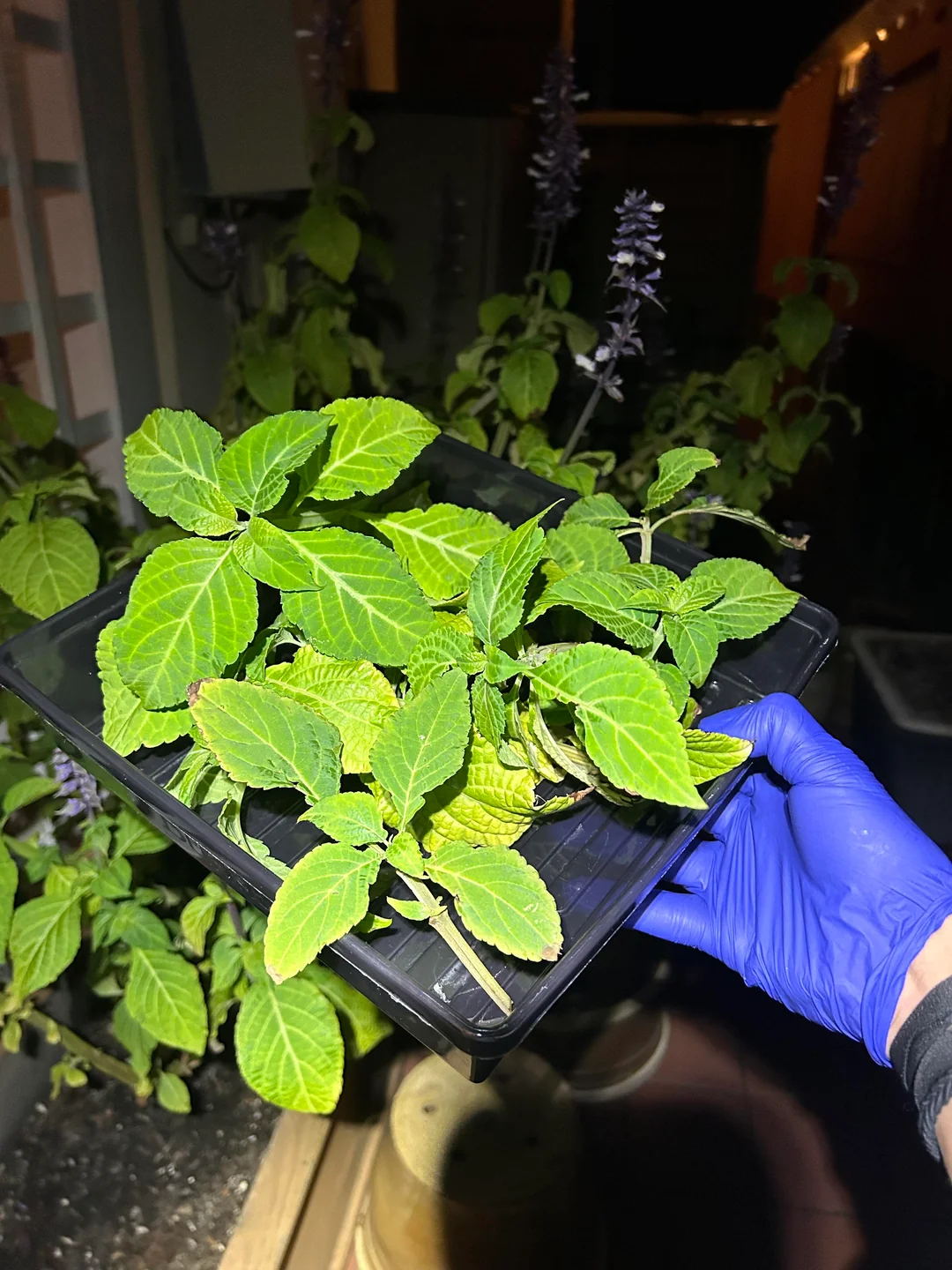
Salvia divinorum products vary significantly based on their form and processing methods. For instance, dried leaves maintain the natural structure of the plant, while powder alters the texture. Tinctures offer a liquid version, and extracts represent concentrated forms of the plant. This page aims to address common questions about these products and clarify the meanings of various labels, enabling readers to make accurate comparisons.
What You Will Learn from This Page
By reading this page, you will gain insights into the differences among our product formats. You will also understand what various labels mean in simple terms and identify the most important questions to consider before comparing different items. Additionally, you will find quick answers that help reduce confusion regarding dried leaves, powders, tinctures, cuttings, seeds, and extracts.
Quick Answers for Fast Readers
Here are some straightforward answers to common product questions:
| Product Question | Practical Answer |
|---|---|
| What’s the difference between leaf and extract? | The leaf retains the plant’s natural form, while the extract indicates a process of concentration. |
| What does “10x” or “20x” describe? | These labels refer to a concentration ratio or process description, not a guarantee of similar outcomes across different sources. |
| Why do powders look different from dried leaves? | Powders lack the visible structure of leaves due to milling, changing their appearance and handling, but not their identity as a plant. |
| Why do cuttings matter? | Cuttings help preserve the plant’s genetics through cloning, reflecting how the plant is typically propagated in cultivation. |
| Why do “seeds” cause controversy? | True viable seeds are rare, leading to frequent mislabeling online. |
Frequently Asked Questions (FAQ): Product Questions
How Do I Choose Between Dried Leaves and Powder?
The first step is to consider the form of the product. Dried leaves maintain the shape and vein structure of the plant, making them visually identifiable. In contrast, powder is created by grinding the leaves, which removes that structure and results in a uniform texture. Therefore, if you prefer visual identification, dried leaves might be the better option, while powder offers consistency in texture.
Leaf vs. Extract: What Is the Real Difference?
Dried leaves represent the plant in a minimally processed form, typically just dried. On the other hand, an extract indicates that the material has undergone a concentration process, altering its relationship to the raw plant. Thus, dried leaves serve as a baseline reference, while extracts are processed derivatives that may offer different effects or concentrations.
What Do “10x” and “20x” Labels Mean?
These labels usually describe a specific processing or concentration method rather than a universal standard for measurement. Therefore, it’s essential to treat “10x” and “20x” as format labels. When comparing items, focus on clear identifiers such as batch notes, product form, and transparent descriptions instead of relying solely on these labels.
Why Do Tincture Products Confuse People?
Tinctures transform the physical form of the plant into a liquid. This change can lead to confusion, as some people mistakenly associate “liquid” with being “stronger.” However, the liquid format merely describes the form of the product and does not guarantee a higher concentration compared to other forms.
Are Salvia Divinorum Seeds Common?
No, credible sources consistently report that viable seeds are rare, and seed production can be inconsistent in cultivation. As a result, many online listings for “seeds” may not accurately represent true morphology or provenance. When evaluating seeds, it is crucial to prioritize transparency and documentation over photographs alone.
What Makes Cuttings Different from a Live Plant?
Cuttings represent an early growth stage of the plant. They preserve the genetic material of the parent plant through cloning, which is significant because many cultivated plants are propagated this way rather than from seeds. Therefore, while cuttings and mature live plants share genetic lineage, they differ in their developmental stages.
How Should I Read Product Photos Without Getting Misled?
When assessing product photos, use a simple filter to avoid confusion:
- Scale: Does the photo provide a sense of size?
- Texture: Is the texture clearly shown so that it matches the description?
- Product Name: Does the image correspond to the product name (leaf, powder, or liquid)?
Photos should enhance clarity and help answer specific questions about the product.
What Product Information Matters Most Before I Compare Items?
Often, essential details are buried on websites, so start with the following key points:
- Form: Identify whether it is a leaf, powder, liquid, extract, cutting, or seed.
- Processing Level: Determine if it is minimally processed, concentrated, or milled.
- Intended Classification: Understand whether it is meant for botanical reference or propagation material.
- Clear Identifiers: Look for SKU, format label, and consistent naming.
By focusing on these aspects, you can avoid confusion and ensure that you are comparing like with like.
“Most Overlooked” Product Questions
Some questions are rarely addressed on competitor pages, yet they can help prevent frustration:
- What does this label mean in simple terms?
- Does the form match the description and photos provided?
- Is the terminology used consistently throughout the site?
- Does the page clarify what the product is not?
By asking these questions, you can quickly identify thin content and make more informed decisions.
In summary, understanding Salvia divinorum products is crucial for making informed choices. By familiarizing yourself with the different forms, processing methods, and labels, you can effectively compare products and select the one that best suits your needs. Remember to consider factors such as visual identification, genetic preservation, and clarity in product descriptions to enhance your overall understanding and experience.