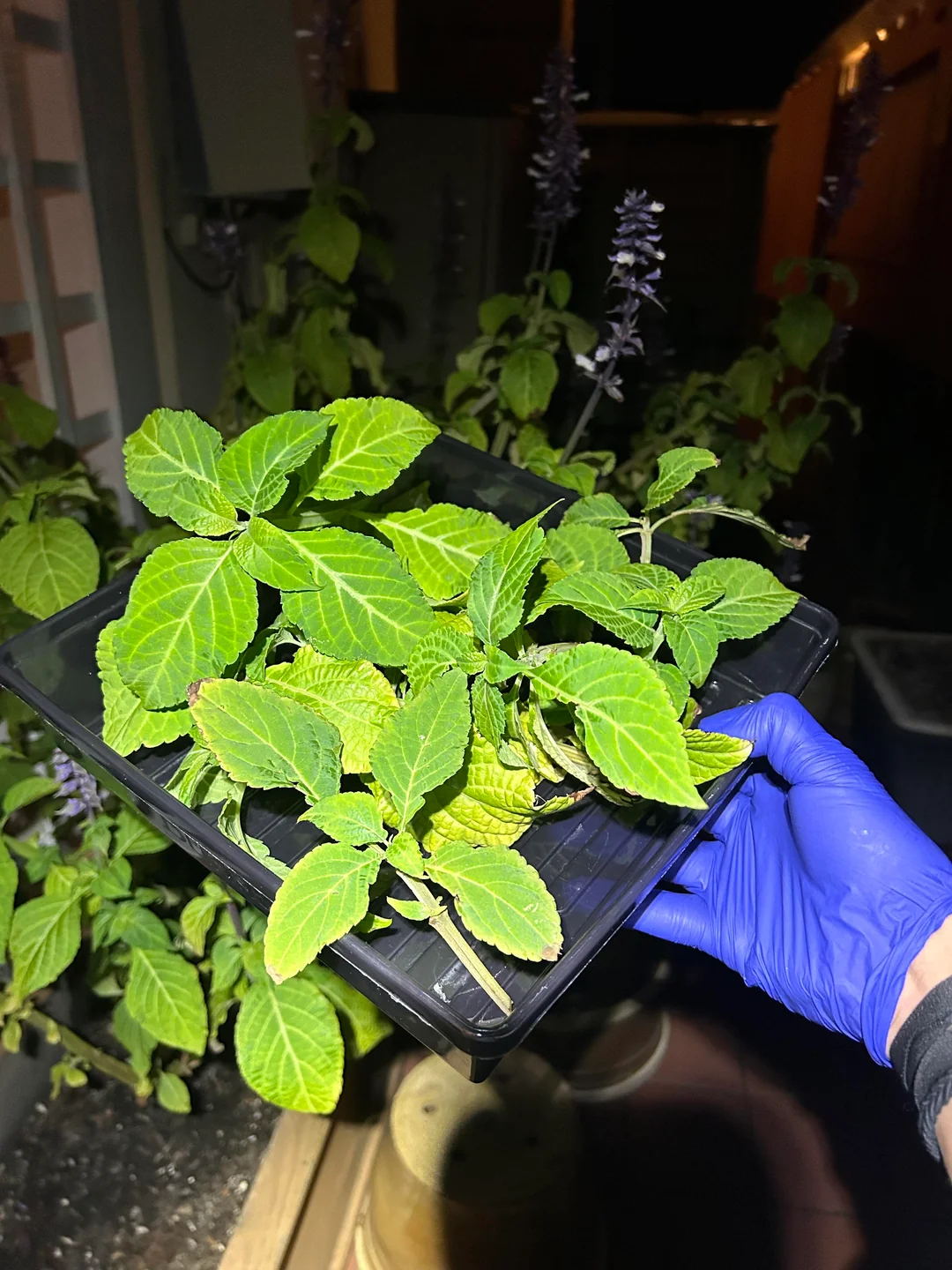
Salvia Divinorum History & Tradition
Salvia divinorum is a fascinating plant with a rich and complex history, deeply rooted in the cultural traditions of Indigenous peoples in Mexico. This plant has been recognized and revered within specific ceremonial contexts, showcasing its significance beyond mere botanical classification. As we delve into the history of Salvia divinorum, it is essential to understand how traditional knowledge has shaped its role in society and why contemporary discussions often overlook critical cultural contexts. This page aims to provide you with a comprehensive understanding of Salvia divinorum, its origins, and the importance of respecting its traditional uses.
What You’ll Gain from This Page
By exploring this page, you will learn about the origins of Salvia divinorum, how traditional knowledge has influenced its cultural significance, and the ways in which modern interpretations often miss the mark. You will gain insights into the historical depth of this plant, leading to a more grounded understanding of contemporary conversations surrounding its use, including where and how people discuss purchasing Salvia divinorum today.
A Plant Known Before It Was Named
Salvia divinorum has a long history that predates formal scientific classification. Instead of being documented in trade records or early pharmacological texts, this plant existed within the oral traditions of Indigenous communities. People recognized Salvia divinorum through their observations and experiences rather than through a scientific lens.
In these early communities, knowledge about the plant emphasized relationships and responsibilities rather than commercial interests. Rather than focusing on where to buy Salvia divinorum or how to distribute it, traditional understanding revolved around when the plant was available, where it thrived, and the respect it warranted. This distinction highlights why modern interpretations of Salvia divinorum often feel incomplete or lack depth.
Cultural Roots in the Mazatec Highlands
The Mazatec people of Oaxaca, Mexico, have maintained a profound historical relationship with Salvia divinorum. Within their cultural framework, the plant was never viewed in isolation; it was part of a broader system of knowledge that encompassed language, landscape, and community roles. Elders passed down information orally, meaning that the significance of Salvia divinorum depended heavily on context.
This oral tradition meant that no single, universally accepted explanation existed for the plant’s uses. Instead, traditions adapted over time, carefully considering the specific circumstances of each situation. This adaptability explains why outsiders, particularly those unfamiliar with Mazatec culture, have often struggled to document Salvia divinorum accurately.
Why Salvia Divinorum Did Not Spread Through Trade
Many plants of historical significance became widespread due to trade demands. However, Salvia divinorum followed a different trajectory. Several factors limited its spread:
- Narrow Ecological Conditions: Salvia divinorum thrives in specific ecological environments, making it less accessible in other regions.
- Seed Viability: The plant rarely produces viable seeds, further restricting its ability to propagate naturally.
- Relocation Sensitivity: Salvia divinorum does not tolerate careless relocation, which complicates efforts to cultivate it outside its native habitat.
As a result, the plant has resisted commodification. Even today, individuals searching for where to buy live Salvia divinorum encounter these same limitations. Access to the plant is controlled more by ecological factors than by secrecy or hidden knowledge.
Traditional Context vs. Modern Demand
In contemporary discussions, the demand for Salvia divinorum often starts with questions about availability, such as where to buy it online. However, traditional usage began with a sense of responsibility rather than mere access. The difference between these perspectives becomes clearer when we compare them directly:
| Focus | Traditional Perspective | Modern Perspective |
|---|---|---|
| Knowledge | Contextual and oral | Fragmented and written |
| Access | Environmentally limited | Market-driven |
| Purpose | Cultural continuity | Individual interest |
| Distribution | Localized | Globalized |
This shift in focus from traditional to modern perspectives has led to a stripping away of the cultural logic that once guided the use of Salvia divinorum.
Names, Language, and Meaning
Traditional names for Salvia divinorum emphasized its role within the community rather than its chemical properties. The language used to describe the plant expressed relationships, guidance, and restraint. In contrast, scientific naming conventions focus primarily on morphology and classification, often stripping away the cultural significance embedded in traditional names.
As terminology shifted over time, so did the meaning associated with Salvia divinorum. Understanding traditional language provides insight into why modern descriptions often feel disconnected from the historical reality of the plant and its uses.
How Modern Interest Reshaped the Narrative
Once Salvia divinorum gained attention in academic and public spheres, the narrative surrounding it changed rapidly. Researchers began documenting the plant, writers summarized its uses, and markets referenced it without fully grasping the cultural context. Unfortunately, this rapid dissemination of information often replaced nuance with oversimplification. Many sources reduced the rich history of Salvia divinorum to brief explanations, leading individuals to encounter the plant primarily through keywords like “Salvia divinorum buy” rather than understanding the cultural context behind its use.
This page exists to help rebalance that narrative by providing a deeper understanding of the plant’s significance.
What Tradition Explains That Modern Sources Overlook
Traditional knowledge addressed questions that modern summaries often overlook:
- Context Matters: Traditional practices emphasized the importance of context over mere repetition.
- Protection Through Limitation: Limitations on usage were seen as protective measures for both the people and the plants involved.
- Observation Precedes Explanation: Traditional knowledge relied heavily on observation and experience before attempting to explain the plant’s effects or uses.
Rather than enforcing strict rules, tradition embedded boundaries within the social structure, allowing for a more organic understanding of Salvia divinorum’s role in the community.
Historical Myths That Persist Online
Several myths about Salvia divinorum continue to circulate, and clarifying these misconceptions can improve the accuracy of discussions surrounding the plant:
- ❌ “Salvia divinorum spread secretly”
✔ Ecology limited its spread more than secrecy. - ❌ “Tradition encouraged frequent use”
✔ Tradition emphasized restraint and timing in its use. - ❌ “Modern availability reflects historical practice”
✔ Modern access reflects global markets, not traditional practices.
Correcting these myths is essential for preventing cultural distortion and promoting a more accurate understanding of Salvia divinorum.
Why Accurate History Matters for Modern Readers
Understanding the history of Salvia divinorum is crucial for interpreting present-day information. Without a contextual foundation, discussions about purchasing, legality, or availability can become disconnected from the plant’s cultural significance. An accurate historical understanding:
- Protects Cultural Knowledge: It helps preserve the rich traditions associated with Salvia divinorum.
- Improves Educational Quality: A well-rounded understanding enhances the quality of education surrounding the plant.
- Supports Responsible Discussion: It fosters more informed and respectful conversations about its use.
Whether someone is researching the plant’s traditional uses or exploring where to buy Salvia divinorum online, historical clarity adds depth and responsibility to the discussion.
Tradition as a Living Framework
Tradition is not merely a relic of the past; it serves as a living framework for thoughtful engagement in the present. Rather than simply replicating historical practices, tradition encourages values such as:
- Patience: Understanding the timing and context of use.
- Awareness: Being mindful of the ecological and cultural implications of using the plant.
- Respect for Limits: Recognizing the boundaries that help protect both the plant and its cultural significance.
These values continue to resonate in modern contexts, reminding us of the importance of thoughtful engagement with Salvia divinorum.
Why This Page Exists
Many pages discussing the history of Salvia divinorum condense its significance into a few simplified paragraphs. In contrast, this page aims to restore the context, explain the limitations surrounding the plant, and reconnect traditional knowledge with ecological understanding. By doing so, it offers readers insights that are often overlooked in common summaries.
Key Takeaways
- The history of Salvia divinorum has developed through lived tradition and cultural practices.
- Oral knowledge has preserved the nuances of its significance better than written documentation.
- Ecological factors have shaped the availability of Salvia divinorum more than secrecy or hidden knowledge.
- Modern demand for the plant differs sharply from its traditional context and uses.
Understanding these points leads to more informed and respectful conversations about Salvia divinorum, bridging the gap between traditional knowledge and contemporary discussions.