Description
Salvia Divinorum Cuttings
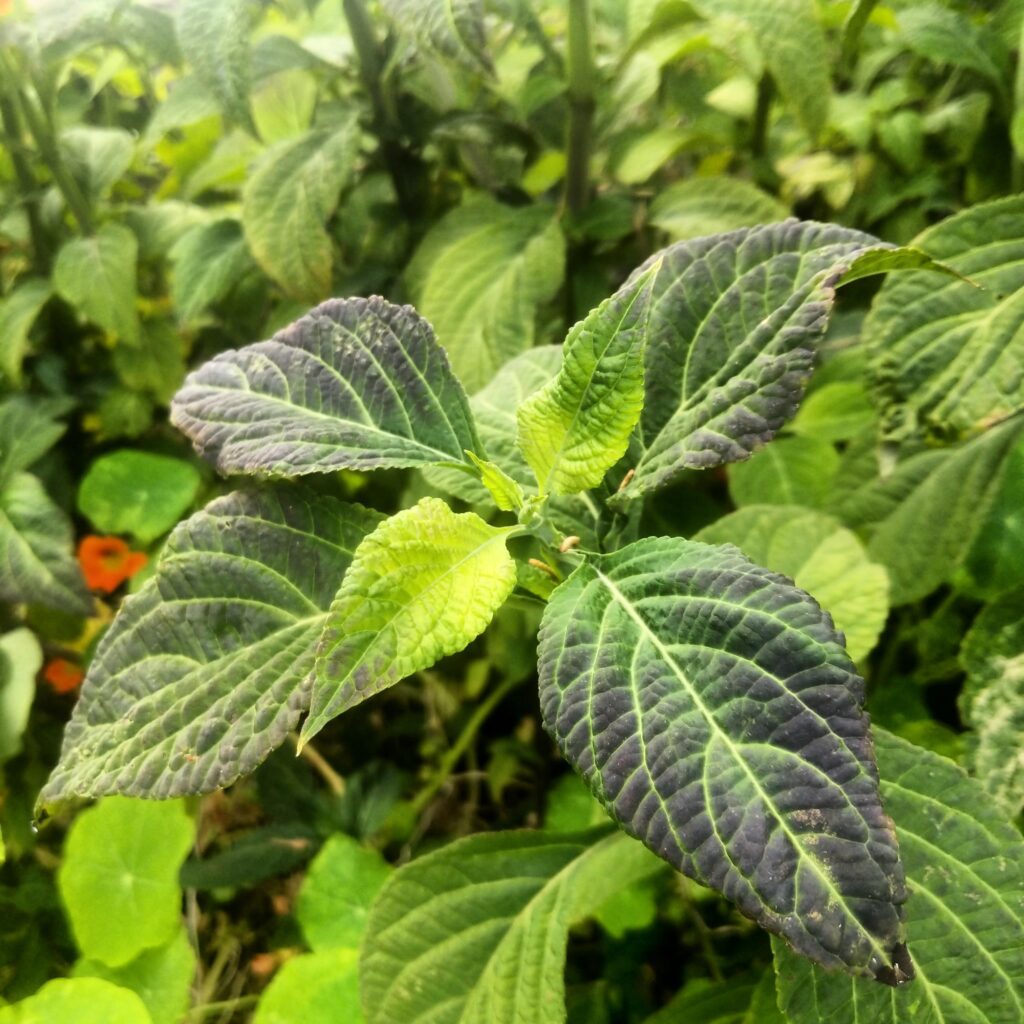
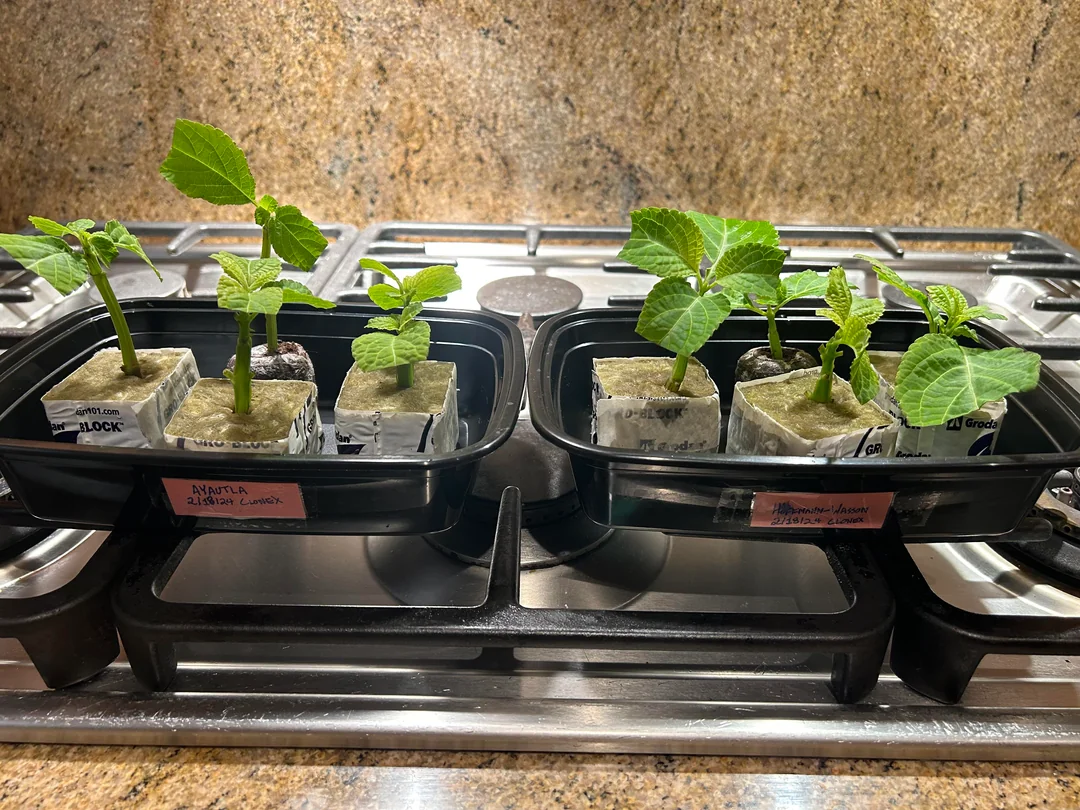
Salvia Divinorum cuttings are one of the most common and reliable methods for cultivating this unique plant. This guide will delve into what cuttings are, how they differ from seeds and mature plants, and the significance of cuttings in preserving the Salvia species. By the end of this exploration, you will have a clearer understanding of why cuttings are essential for both cultivation and conservation.
What Are Salvia Divinorum Cuttings?
Salvia divinorum cuttings are sections of stem taken from healthy, mature plants. These cuttings are carefully selected to ensure they have the potential to develop roots. The reason growers prefer cuttings over seeds is that Salvia Divinorum rarely produces viable seeds, and when it does, the process of flowering and seed production can be inconsistent.
When a cutting is taken, it retains the exact characteristics of the parent plant. This means that each cutting reflects the genetic makeup of the original plant without introducing any variations that might occur through seed propagation. In essence, cuttings serve as a faithful clone of the parent plant, ensuring that the desired traits are preserved.
The Importance of Salvia Divinorum Cuttings
Salvia Divinorum cuttings play a crucial role in maintaining genetic continuity. Unlike seeds, which can introduce genetic variation, cuttings ensure that the established traits of a plant line are preserved. This consistency is vital for growers who want to identify and cultivate specific varieties of Salvia Divinorum over time.
Moreover, cuttings contribute significantly to conservation efforts. By relying on propagated material instead of harvesting from wild populations, growers help alleviate the pressure on these plants in their natural habitats. This practice not only supports the sustainability of the species but also promotes responsible cultivation practices worldwide.
Salvia Divinorum Cuttings for Sale: Understanding the Context
When individuals search for “Salvia Divinorum cuttings for sale,” they often seek clarity about the form of the plant they are purchasing. Many potential buyers want to understand how cuttings differ from live plants or seeds. It is important to recognize that cuttings represent an early growth stage, requiring time to establish and develop roots before they can thrive as mature plants.
This guide aims to provide a clear definition and distinction between these forms, helping buyers make informed decisions rather than relying on assumptions. Understanding the context of what cuttings are and how they fit into the cultivation process can significantly enhance the buying experience.
Buying Salvia Divinorum Cuttings: What People Typically Mean
When people search for “buy Salvia cuttings,” they often express an interest in plant propagation rather than seeking an immediately mature plant. Many individuals are curious about why cuttings are more widely available compared to other forms and how they help maintain genetic consistency.
Since Salvia Divinorum cuttings replicate the genetics of a single parent plant, they support uniform growth patterns and predictable development. This makes them particularly suitable for botanical reference, educational purposes, and cultivation discussions rather than experimental endeavors.
Key Features and Insights
Here are some high-value insights regarding Salvia Divinorum cuttings:
| Topic | High-Value Insight |
|---|---|
| Source Material | Taken from healthy, mature Salvia Divinorum plants |
| Genetic Role | Preserves the genetics of the parent plant exactly |
| Propagation Value | Primary method due to the rare production of seeds |
| Conservation Impact | Reduces reliance on wild Salvia populations |
| Growth Stage | Represents early development rather than maturity |
| Botanical Use | Supports lineage preservation and academic study |
How Cuttings Differ From Other Forms of Salvia
Many sources often blur the lines between different forms of Salvia. Understanding these distinctions can enhance clarity for growers and enthusiasts alike. Here’s a breakdown of how Salvia Divinorum cuttings differ from other forms:
- Cuttings: These are stem sections taken from mature plants that can develop roots. They preserve the genetics through cloning.
- Seeds: These introduce genetic variation, which can lead to differences in growth and characteristics.
- Live Plants: These represent later growth stages and are fully developed, ready for cultivation or use.
- Dried Leaves: These preserve the mature foliage of the plant and are often used for different purposes but do not represent the living plant.
In this way, cuttings occupy a unique position as a bridge between propagation and growth, allowing for the continuation of specific plant lines without the unpredictability of seed propagation.
Common Misunderstandings About Salvia Cuttings
Several misunderstandings frequently arise online regarding Salvia cuttings:
- Cuttings Are Mature Plants: Many people mistakenly assume that cuttings are the same as fully mature plants. In reality, cuttings are still in the early stages of development.
- Availability Overstated: The availability of cuttings can sometimes be overstated, leading to confusion about what buyers can expect when they purchase them.
- Genetic Consistency: The genetic consistency of cuttings is not always clearly explained, which can lead to uncertainty about the reliability of the plants being cultivated.
By addressing these points clearly, this guide aims to replace confusion with accurate context, helping readers better understand the nuances of Salvia Divinorum propagation.
Related Terms You Might Encounter
As you explore the world of Salvia Divinorum, you may come across various terms that describe similar materials. Here are some common phrases you might see:
- Salvia Cuttings
- Salvia Plant Cuttings
- Diviner’s Sage Cuttings
- Salvia Divinorum Clones
Understanding this terminology can help readers navigate inconsistent descriptions and find the information they need more effectively.
Frequently Asked Questions
What Are Salvia Cuttings?
Salvia cuttings are stem sections taken from mature plants that have the ability to develop roots, allowing for propagation.
Why Are Cuttings More Common Than Seeds?
Cuttings are more common because the plant flowers infrequently and rarely produces viable seeds, making propagation through cuttings a more reliable method.
Do Cuttings Preserve Genetics?
Yes, each cutting replicates the genetic makeup of the parent plant exactly, ensuring consistency in characteristics.
Are Cuttings the Same as Live Plants?
No, cuttings represent an earlier growth stage and require time to develop into mature plants.
Why Do People Search for Salvia Divinorum Cuttings for Sale?
Most individuals seek clarity about propagation methods and the form of the plants they are considering for purchase.
Why This Guide Exists
Many competitor pages often rely on vague claims or fail to provide comprehensive explanations. In contrast, this guide aims to clearly and calmly explain the concept of Salvia cuttings. By focusing on biological aspects, terminology, and contextual understanding, it seeks to provide long-term value rather than surface-level answers.
In conclusion, understanding Salvia Divinorum cuttings is essential for anyone interested in cultivating this unique plant. By recognizing the significance of cuttings, their role in conservation, and the differences between various forms, you can make informed decisions that support both your gardening endeavors and the sustainability of this remarkable species.
Sarah Wilson –
I’ve ordered cuttings twice now and both times they’ve been in excellent condition. Highly recommended.
Jack –
The Salvia divinorum cuttings arrived healthy and well packaged. Every cutting rooted successfully. Very satisfied.