Description
Salvia Divinorum Dried Leaves
Dried salvia leaves come from fully mature Salvia divinorum plants. These leaves are carefully dried to keep their original shape and structure. In this article, we will discuss what these dried leaves are, how they differ from other forms of salvia, and why they are important in both botanical and ethnobotanical studies.
What Are Dried Salvia Leaves?
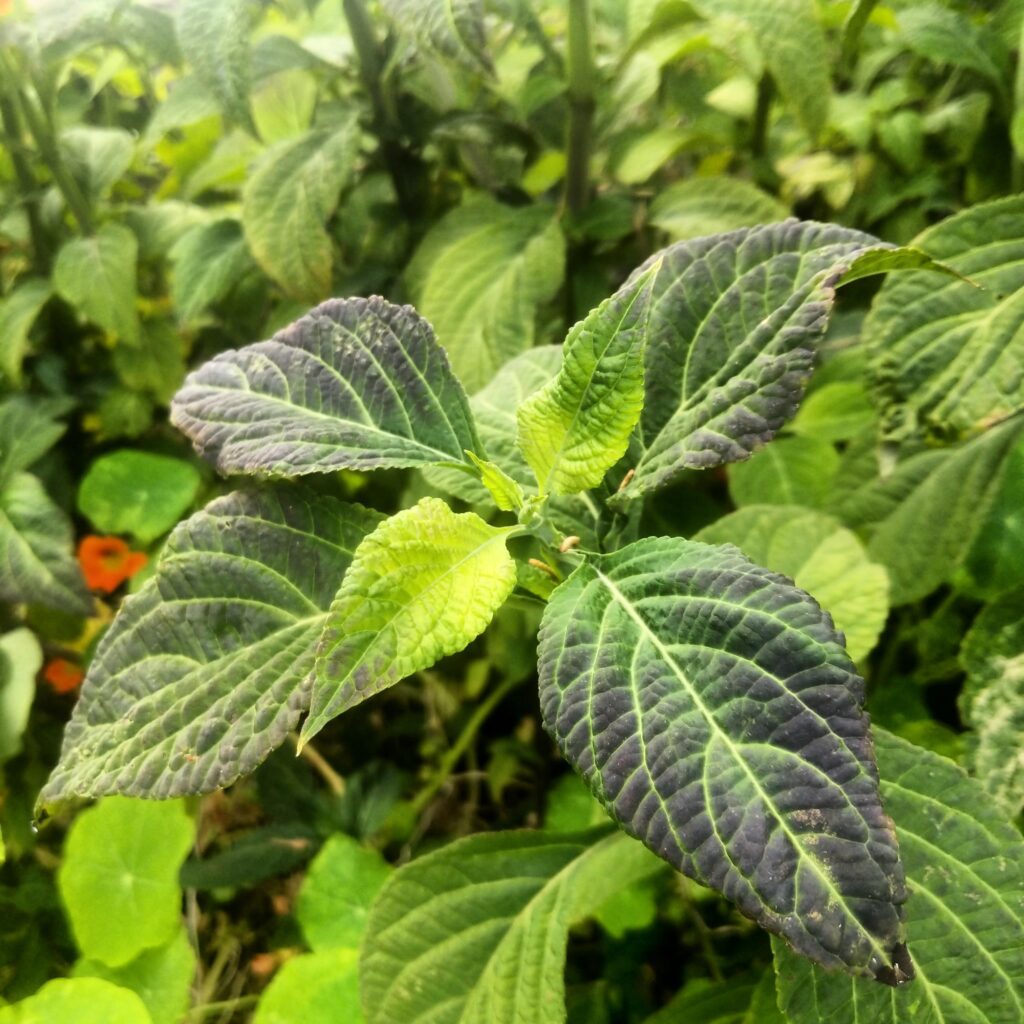
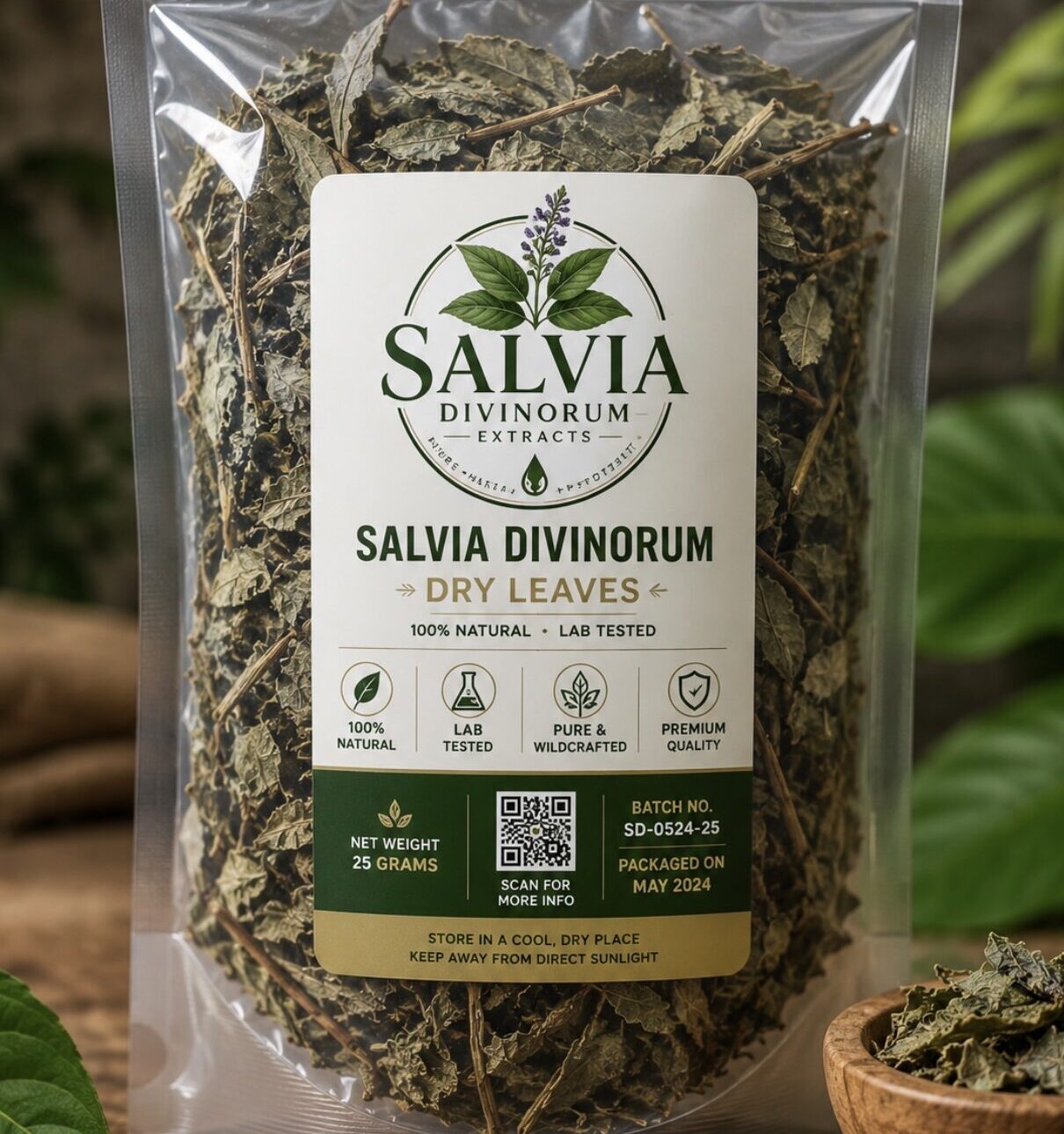
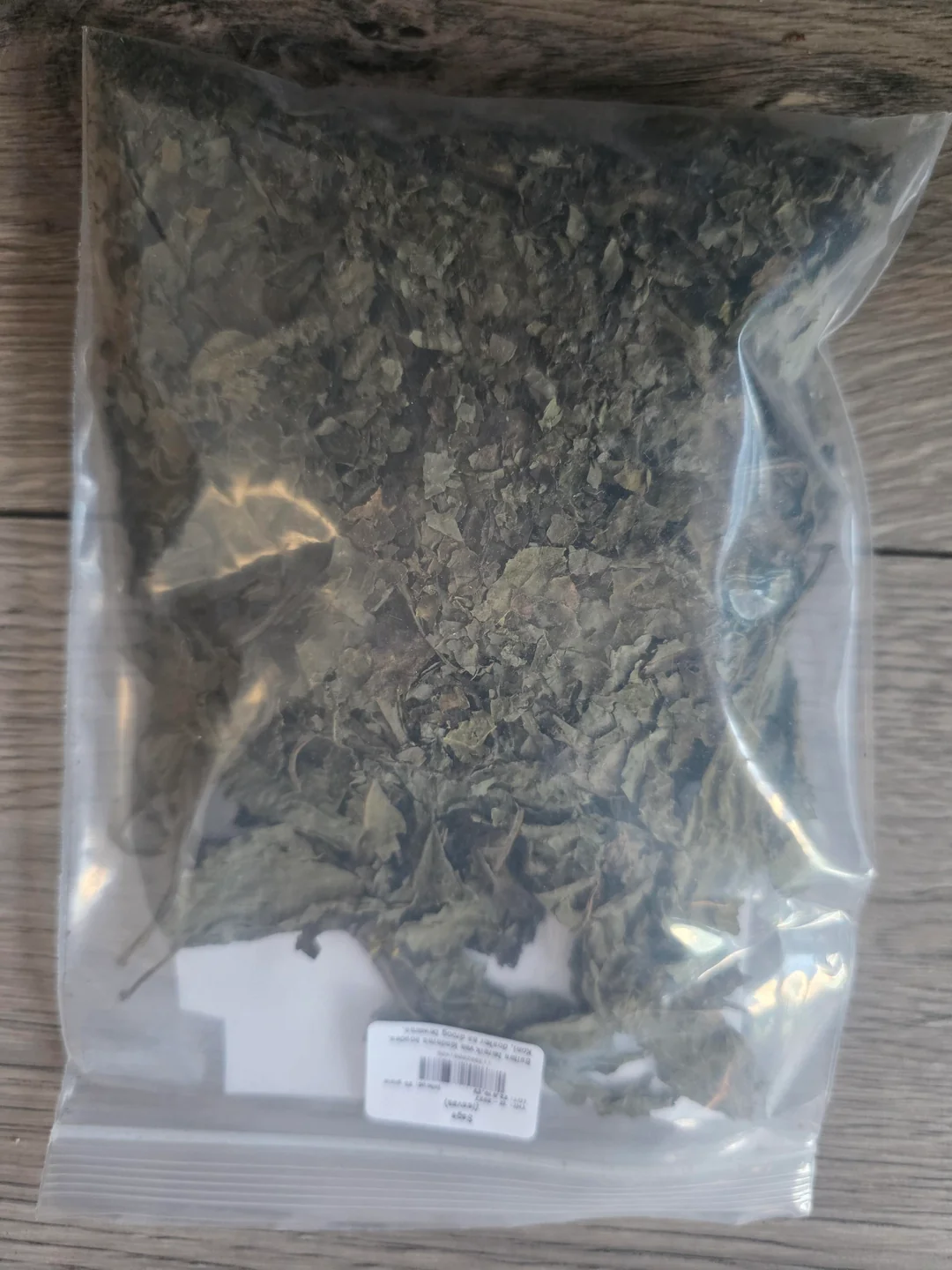
Dried salvia leaves are the most authentic form of the Salvia divinorum plant. When the plant reaches full maturity, growers harvest its broad, healthy leaves. This process allows the dried leaves to maintain their visible veins, thin texture, and recognizable shapes.
Unlike other processed forms of salvia divinorum dried leaves undergo no changes besides dehydration. This means that they reflect exactly how the plant grows in nature. For researchers and enthusiasts, dried leaves provide a direct connection to the original plant.
Why Dried Salvia Leaves Matter
Dried salvia leaves are valuable because they preserve the plant’s integrity without changing its natural state. This preservation makes them an important resource for researchers, educators, and collectors who want to study or document the plant in its original form.
Additionally, dried leaves provide a consistent point of reference. Live plants can change over time due to various factors, and extracts may concentrate specific compounds. However, dried salvia leaves remain stable. This stability allows for accurate identification and long-term reference, making them essential for studying the plant.
Common Contexts and Applications
Dried salvia leaves are often referenced in contexts that focus on understanding and education rather than modification. Because of this emphasis, dried salvia leaves are commonly found in various educational and botanical environments. Some common contexts include:
- Ethnobotanical Study Collections: Researchers use dried salvia leaves to explore the cultural and historical significance of the plant, particularly among indigenous communities.
- Botanical Comparison Libraries: These libraries house samples of various plant forms, including dried salvia leaves, to facilitate research and education.
- Plant Identification Archives: Dried leaves are crucial for accurately identifying and classifying plants, serving as a reference point for botanists and horticulturists.
- Educational Discussions about Mazatec Plant Heritage: The Mazatec people of Mexico have a rich tradition of using salvia in spiritual and healing practices. Dried leaves play a key role in these discussions.
In these contexts, salvia leaves support clarity and preservation, emphasizing the importance of understanding the plant in its natural form rather than transforming it through processing.
Features and Insights
Here are some important insights regarding dried salvia leaves:
| Topic | Key Insight |
|---|---|
| Leaf Origin | Harvested from fully mature Salvia divinorum plants. |
| Physical Form | Broad, thin leaves that dry flat with visible veins. |
| Processing Level | Only air-dried, with no extraction or concentration. |
| Visual Identity | Retains natural leaf shape and surface texture. |
| Stability | Remains consistent over time for reference use. |
| Comparison Role | Serves as a baseline when comparing extracts or live plants. |
How Dried Salvia Leaves Differ from Other Forms
Many sources fail to explain the differences between dried salvia leaves and other forms.
- Dried Salvia Leaves: These leaves preserve the plant’s natural structure and characteristics.
- Extracts: Extracts are processed forms of salvia that concentrate specific compounds. This process can change the properties of the plant material, making it different from the original.
- Live Plants: Live salvia plants continue to grow and exhibit biological variations over time. This growth can affect their appearance and chemical composition.
Therefore, dried salvia leaves occupy a unique position between living material and processed forms, serving as a stable reference point for researchers and enthusiasts alike.
Common Misunderstandings
Several misconceptions about dried salvia leaves frequently arise online.
- Dried Leaves vs. Extracts: Many people mistakenly believe that dried leaves are the same as extracts. In reality, dried leaves are unprocessed beyond dehydration, while extracts involve a concentration process.
- Texture Misinterpretations: Changes in texture can often be misinterpreted as quality issues. However, the texture of dried leaves is a natural result of the drying process.
- Color Variation: Color differences in dried leaves often reflect the conditions under which they were dried, rather than indicating the age or quality of the leaves.
By directly addressing these points, we can eliminate confusion and provide clearer information about dried salvia leaves.
Related Terms People Often Encounter
Readers often come across various terms that describe dried salvia leaves. Understanding this terminology can help navigate the inconsistent language found online. Common phrases include:
- Salvia divinorum dried leaves
- Dry salvia leaves
- Whole salvia leaf material
- Preserved salvia foliage
Familiarity with these terms can enhance comprehension and ensure accurate communication regarding dried salvia leaves.
Frequently Asked Questions
Here are some common questions and answers about dried salvia divinorum leaves:
- What are dried salvia divinorum leaves?
- Dried salvia leaves come from mature Salvia divinorum plants and retain their natural form after drying.
- How do dried leaves differ from extracts?
- Dried leaves remain unprocessed beyond dehydration, whereas extracts involve a concentration process that alters the original plant material.
- Do dried leaves still show plant characteristics?
- Yes, dried salvia leaves retain vein patterns, leaf shape, and surface texture, making them recognizable as part of the original plant.
- Why do people reference salvia divinorum leaves?
- They provide a stable and preserved reference to the original plant, which is valuable for research and education.
- Are dried leaves the same as powdered material?
- No, whole dried leaves maintain their structure and form, while powdered material has been ground into a fine consistency.
Why This Page Exists
Many competing pages provide rushed explanations or rely on assumptions that may lead to confusion. In contrast, this page aims to explain dried salvia divinorum leaves clearly and thoroughly. By focusing on the structure, terminology, and context of Salvia divinorum dried leaves, it offers lasting value and understanding rather than temporary answers.
Their preservation of the plant’s original structure and characteristics makes them an essential tool in both botanical research and ethnobotanical studies. By understanding what dried salvia leaves are, how they differ from other forms, and their significance, we can appreciate their role in the broader context of plant study and cultural heritage.
Noah Richardson –
Excellent packaging and prompt delivery. The product met my expectations.
Chloe Bennett –
Very pleased with the freshness and quality of the dried leaves. I’ll definitely order again.
Emily johnson –
Excellent quality dried leaves. Fresh, clean, and exactly as described. Fast shipping too.
Divid miller –
Very impressed with the grade of the leaves well dried. Packaging kept everything fresh.order arrived today
Sophia Turner –
Fast shipping and secure packaging. The leaves looked exactly as described on the website.
Ethan Brooks –
The dried leaves arrived well packaged and in excellent condition. Very satisfied with the overall quality and customer service.
Liam Foster –
Great communication throughout the ordering process. Everything arrived on time and professionally packed.