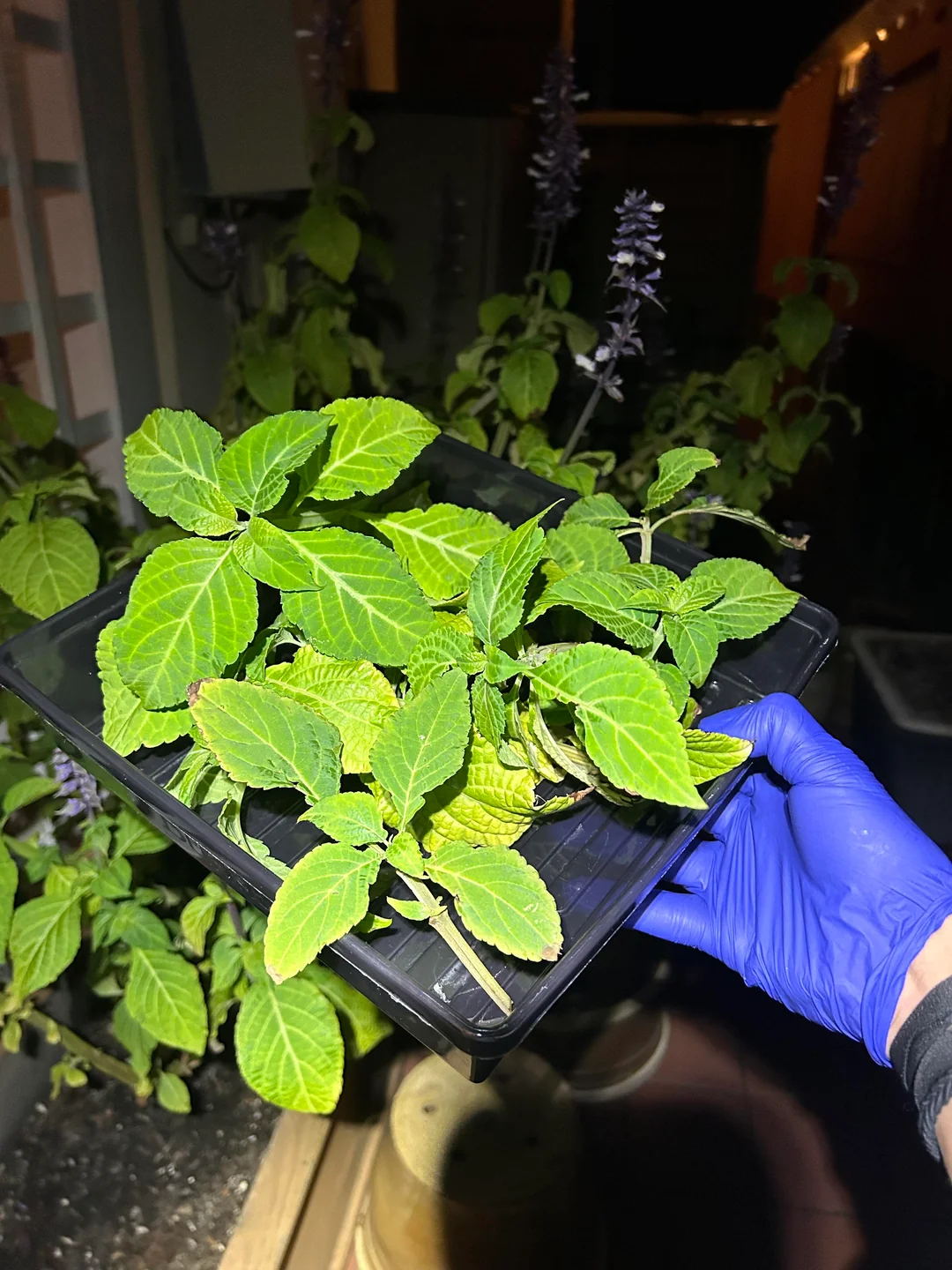
Salvia Divinorum Leaf vs Extract: Understanding the Difference
What You’ll Gain from This Page
This page aims to clarify the real differences between salvia divinorum leaf and extract in straightforward, practical language. By the end of your reading, you will have a clearer understanding of how these two forms differ in their structure, processing methods, and intended purposes. This knowledge will empower you to interpret product descriptions, research materials, and online discussions with greater confidence.
Why “Leaf vs Extract” Causes So Much Confusion
The comparison between salvia divinorum leaf and extract often leads to misunderstandings. Many people tend to think of these two forms as simply representing a scale of strength. However, this assumption can be misleading. The differences between leaf and extract lie primarily in their form and the processes they undergo, rather than their intended use.
A significant reason for this confusion is that many websites and articles jump straight into labeling these products without providing adequate explanations. As a result, readers frequently miss out on understanding what these forms truly represent. Therefore, this page focuses on defining and explaining the structure of salvia divinorum leaf and extract, rather than implying their uses.
What Salvia Divinorum Leaf Actually Is
Salvia divinorum leaf refers to the mature foliage of the plant in its natural state. Producers harvest the full leaves and then preserve them by drying. This drying process allows the leaf to maintain its original structure, including its veins, surface texture, and shape.
Since the leaf material undergoes minimal processing beyond drying, it represents the plant in its most authentic preserved form. Consequently, many researchers and educators consider the leaf as the baseline reference when discussing salvia divinorum.
Key Characteristics of Leaf Material:
- Retains Natural Leaf Shape: The leaf keeps its original shape, making it easily recognizable.
- Shows Visible Vein Structure: The intricate vein patterns are still visible, highlighting the plant’s natural design.
- Reflects Plant Growth Conditions: The appearance of the leaf can indicate how and where the plant was grown.
- Changes Minimally During Processing: The drying process does not significantly alter the leaf’s physical characteristics.
What Salvia Divinorum Extract Actually Is
Salvia divinorum extract refers to the leaf material that has undergone additional processing to concentrate specific plant compounds. Unlike the leaf, which preserves its structure, the extract alters the composition of the material.
As a result, extracts do not resemble whole leaves. Their appearance reflects the methods used during processing rather than the plant’s natural morphology. Therefore, extracts represent a transformation of the original material rather than a preservation of it.
This distinction is crucial because the labels on extracts typically describe the level of processing rather than the maturity of the plant from which they are derived.
Leaf vs Extract: Structural Comparison
Understanding the differences between salvia divinorum leaf and extract becomes easier when viewed side by side. Here’s a comparison of their structural aspects:
| Aspect | Leaf | Extract |
|---|---|---|
| Processing | Only dried | Undergoes concentration process |
| Physical Form | Whole or fragmented leaves | Altered, often uniform |
| Visual Identity | Plant structure visible | Structure largely removed |
| Reference Value | Botanical baseline | Processed derivative |
| Stability | Reflects original plant | Reflects processing method |
This comparison highlights why leaf and extract serve different purposes and should not be viewed as interchangeable.
Why Extract Labels Create Misunderstandings
Many extract labels use multipliers, such as “10x” or “20x.” However, these labels indicate concentration ratios rather than the quality or origin of the plant material.
Since leaf products do not carry such multipliers, some people mistakenly assume that they are less relevant or less potent. In reality, the leaf serves as a critical reference point that gives meaning to the extract labels. Without the leaf, the context for understanding extracts becomes unclear.
How Tradition Viewed Leaf vs Processed Forms
Traditional knowledge surrounding salvia divinorum emphasized the importance of relationship and context over transformation. Whole leaves held significant meaning because they preserved the plant as it exists in nature.
While processing methods did exist, they did not dominate the understanding of salvia divinorum. Instead, tradition valued restraint, timing, and familiarity with the plant. This historical perspective helps explain why the modern focus on extracts represents a cultural shift rather than a continuity of traditional practices.
Common Myths About Leaf and Extract
Several myths persist in online discussions about salvia divinorum leaf and extract. This page aims to address these misconceptions directly:
- ❌ “Extract is just stronger leaf”
✔ Extract represents processed material, not leaf quality.
Extracts are not simply stronger versions of the leaf; they are altered forms that have undergone significant processing. - ❌ “Leaf is incomplete”
✔ Leaf serves as the botanical reference point.
The leaf is a complete representation of the plant and is essential for understanding the properties of the extract. - ❌ “Extract replaces leaf”
✔ Extract depends on leaf for definition.
Extracts cannot exist without the leaf, as they are derived from it and rely on its characteristics for context.
Clarifying these myths helps prevent the oversimplification of the differences between leaf and extract.
How to Think About Leaf vs Extract Today
Instead of viewing leaf and extract as a hierarchy, it is more beneficial to understand their distinct roles in relation to each other.
- Leaf Preserves Structure and Origin: The leaf maintains the plant’s natural structure and origin, making it a valuable reference point.
- Extract Reflects Processing and Concentration: The extract showcases the results of processing and concentration, altering the original material’s form.
Both forms describe the same plant but from different perspectives. Therefore, comparisons should focus on their structural differences rather than assumptions about potency or quality.
Why This Page Exists
Many resources reduce the discussion of leaf versus extract to a single, simplistic sentence. In contrast, this page aims to provide a comprehensive explanation of why understanding these distinctions is important and how misunderstandings can arise.
By grounding the explanation in the structure, history, and terminology of salvia divinorum, this page offers clarity that brief summaries cannot provide.
Key Takeaways
- Leaf Represents the Preserved Plant Form: The leaf is the most authentic representation of the plant’s natural state.
- Extract Represents Processed Concentration: The extract is a concentrated form that has undergone significant processing.
- Labels Describe Process, Not Identity: The labels on extracts indicate the level of processing rather than the identity of the plant material.
- Leaf Provides Context That Extract Depends On: The leaf is essential for understanding the characteristics and significance of extracts.
By grasping these key points, individuals can improve their ability to read product descriptions and research materials related to salvia divinorum. This understanding fosters a more informed perspective on both leaf and extract, allowing for better decision-making and discussions in the realm of herbal products.