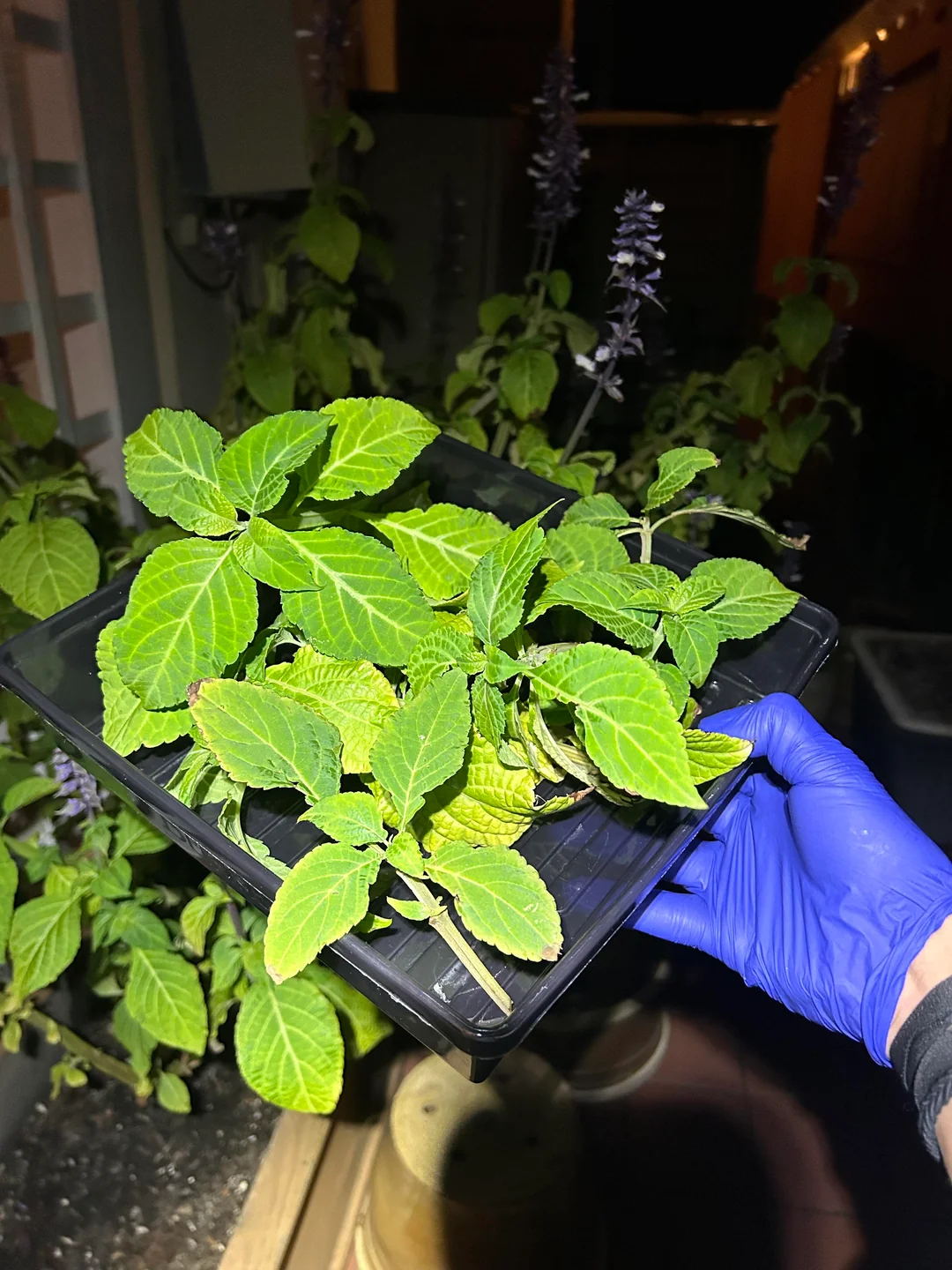
This page provides a comprehensive overview of Salvia divinorum, including its origins, characteristics, and modern understanding. By engaging with this information, you will gain a deeper insight into the plant, which can enhance your interpretation of product pages, research discussions, and online searches related to Salvia divinorum. Whether you are looking for where to buy Salvia divinorum or simply seeking to understand its significance, this guide aims to clarify your understanding.
A Clear Definition First
Salvia divinorum is a unique, perennial plant that originates from the cloud forests of Oaxaca, Mexico. It is part of the mint family, which includes various herbs and aromatic plants. Salvia divinorum thrives in moist, shaded environments, making it well-suited for its native habitat.
Unlike many other plants that reproduce through seeds, Salvia divinorum primarily propagates through cuttings. This means that new plants are grown from sections of existing ones rather than from seeds. As a result, the growth and availability of Salvia divinorum are heavily influenced by careful cultivation practices rather than large-scale agricultural methods. This biological characteristic significantly shapes how people encounter and utilize the plant today.
Where Salvia Divinorum Comes From
The Mazatec people, an indigenous group from southern Mexico, have maintained the longest-known relationship with Salvia divinorum. Within their culture, this plant is not merely an object of interest; it is part of a broader system of knowledge and spirituality. For the Mazatec, Salvia divinorum is deeply embedded in their traditions, rituals, and healing practices.
Because this knowledge has been passed down through oral traditions rather than written records, the understanding of Salvia divinorum remains contextual and situational. There is no single, definitive explanation that applies universally. This cultural origin helps to explain why modern descriptions of the plant can often feel fragmented and lacking in depth.
What Makes Salvia Divinorum Different From Other Plants
Salvia divinorum possesses several unique characteristics that set it apart from other members of the Salvia genus and other medicinal plants:
- Seed Production: It rarely produces viable seeds, making its propagation more challenging.
- Ecological Requirements: The plant flourishes only under specific ecological conditions, which limits its growth in other environments.
- Sensitivity to Relocation: Salvia divinorum does not respond well to careless relocation, meaning that it needs to be handled with care during cultivation.
- Leaf Structure: The plant maintains a consistent leaf structure when preserved, which is important for its use in various forms.
These traits contribute to the challenges of mass cultivation. Consequently, individuals searching for where to buy live Salvia divinorum often encounter limited availability due to these natural constraints.
How Salvia Divinorum Is Commonly Encountered Today
In contemporary contexts, Salvia divinorum is typically encountered in several forms, each reflecting a different stage of processing rather than representing a different plant. Understanding these forms can help clarify product descriptions and avoid confusion when searching for Salvia divinorum online. Here are the common forms you might come across:
| Form | Description |
|---|---|
| Live Plant | An actively growing specimen propagated from cuttings. |
| Dried Leaves | Mature leaves that have been preserved through drying. |
| Powder | Finely milled dried leaf material, often used for consumption. |
| Extract | Processed material containing concentrated compounds. |
By familiarizing yourself with these forms, you can better navigate product descriptions and make informed decisions when searching for Salvia divinorum.
Why People Research Salvia Divinorum
People are drawn to research Salvia divinorum for a variety of reasons. While curiosity often begins with a desire for definition, the motivations behind this interest can vary widely. Some common reasons for exploring Salvia divinorum include:
- Botanical Interest: Many individuals are fascinated by the unique biological and ecological characteristics of the plant.
- Ethnobotanical Study: Researchers and students may seek to understand the cultural significance and traditional uses of Salvia divinorum within indigenous communities.
- Cultural History Research: Scholars may investigate the historical context and the role of Salvia divinorum in Mazatec rituals and spirituality.
- Plant Collection and Cultivation: Hobbyists and enthusiasts may wish to cultivate the plant themselves or add it to their collection of unique botanical specimens.
Given these diverse interests, it is crucial to provide accurate explanations and avoid making assumptions about the plant and its uses.
Salvia Divinorum in Traditional Context
Traditionally, Salvia divinorum existed within a framework of restraint and responsibility. The Mazatec culture emphasizes the importance of timing, context, and awareness when using the plant, particularly in ceremonial and healing practices. This contrasts sharply with modern, keyword-driven searches that often prioritize availability over understanding.
Understanding this traditional context is vital for preventing historical misinterpretations and appreciating the deeper significance of Salvia divinorum beyond its mere availability.
Modern Terminology vs Traditional Understanding
In contemporary discourse, the language surrounding Salvia divinorum often reduces the plant to simplistic labels. However, traditional understanding relied on relational meaning and context rather than strict classifications. Here is a comparison of perspectives:
| Perspective | Focus |
|---|---|
| Traditional | Context, relationship, continuity |
| Modern | Definition, form, availability |
This shift in perspective has led to many modern explanations lacking the depth and richness that characterize traditional understandings of the plant.
Common Misunderstandings Clarified
Several misunderstandings frequently arise in discussions about Salvia divinorum, particularly online. Here are some common misconceptions and their clarifications:
- ❌ “Salvia divinorum spreads easily”
✔ It propagates slowly and selectively. The plant requires specific conditions for growth, making it less adaptable than many assume. - ❌ “All forms are the same”
✔ Forms differ by processing, not identity. Each form serves different purposes and has unique characteristics. - ❌ “Modern availability reflects tradition”
✔ Modern access reflects cultivation, not history. The way Salvia divinorum is available today is shaped by modern agricultural practices rather than traditional uses.
Clarifying these points strengthens overall understanding and helps dispel myths surrounding the plant.
Why Accurate Definition Matters
Having clear definitions is essential for making sense of the information presented on this page and across related sites. Without a solid foundation, product pages, guides, and FAQs may lack context, leading to confusion and misinformation.
Accurate understanding of Salvia divinorum:
- Improves Research Quality: Clear definitions enable more effective exploration of the plant’s characteristics and uses.
- Prevents Misinformation: By providing accurate information, we can reduce the spread of myths and misconceptions.
- Supports Respectful Discussion: A well-informed perspective fosters respectful dialogue about the plant’s cultural significance and uses.
Whether you are exploring cultural history or searching for where to buy Salvia divinorum online, a solid understanding of definitions shapes your interpretation and engagement with the material.
Why This Page Exists
Many websites offer only vague descriptions of Salvia divinorum, often reducing it to a few sentences that lack depth. In contrast, this page aims to build a complete picture by integrating biological, traditional, and modern contexts. By providing this comprehensive overview, readers can gain clarity before encountering product descriptions or external sources that may not offer the same level of detail.
Key Takeaways
- Salvia divinorum is a rare, cutting-propagated plant: Its unique reproductive method sets it apart from many other plants.
- Its history begins in lived tradition, not commerce: understanding its cultural roots is essential for appreciating its significance.
- Modern forms reflect processing stages: Familiarity with the different forms helps clarify product descriptions.
- Clear definition prevents misunderstanding: Accurate definitions enhance comprehension and facilitate respectful discussions.
By understanding these key points, you establish a strong foundation for everything else related to Salvia divinorum. This knowledge not only enriches your understanding of the plant but also enhances your ability to engage with various discussions and inquiries surrounding it.